Choosing the right course is an important step toward your future, and we’re here to help you explore your options with confidence. Whether you’re aiming for a specific career or still figuring things out, you’ll find clear information and practical support to help you make informed decisions.
.jpeg?width=398&height=400&name=tile_fit_A_colorful__illustrated_graphic_in_the_same_style_as_a_student_voice_network_poster__themed_around__%20(1).jpeg)
Examples: BTECs, NVQs, T Levels
• These are hands-on courses that focus on practical skills.
• Great if you prefer learning by doing.
• They can lead straight into jobs or onto further study.
Helpful links:
National Careers Services: Provides support with career planning, qualifications, and pathways into different industries.


• You get paid and study at the same time.
• You work in a real job, learn skills, and get qualifications.
• They exist at different levels, from Level 2 all the way up to degree level apprenticeships.
Helpful links:
• Amazing Apprenticeship: A comprehensive resource specifically for care experienced people for understanding and navigating apprenticeship opportunities.
Helpful links:


• Study something you’re passionate about.
• Many universities offer extra support for care experienced students, like year-round accommodation, bursaries, or mentoring.
• Adults can help you look at courses, entry requirements, and support available.
Helpful links:
• Prospects: Offers advice on choosing university courses, including both undergraduate and postgraduate options.
• UCAS: Offers guidance on subject choices, university entry requirements, and the application process.
• UCAS Care Experienced Toolkit: A comprehensive guide for care experienced learners navigating university and UCAS.
Things to think about:

Seeing a college, sixth form, or university in person is one of the best ways to decide if it’s right for you. Why it helps:
• You can explore buildings, classrooms, and campuses.
• Meet teachers, students, and support staff.
• Get a feel for whether you’d be happy there.
• Ask questions about support, finances, and well-being.
Extra support for care experienced young people is often available. Some universities and colleges offer special open days just for you. These might include:
•Sessions on financial help
•Meeting care experienced student ambassadors
•Information on guaranteed accommodation
•Smaller groups, so it feels less overwhelming
Tip: Ask the adults you live with, your social worker, or teacher to help with planning travel or booking.
Questions to ask on open days:
• “What support do you offer care experienced students?”
• “Do you guarantee accommodation over holidays?”
• “What financial and well-being support can I get?”
What to look for:
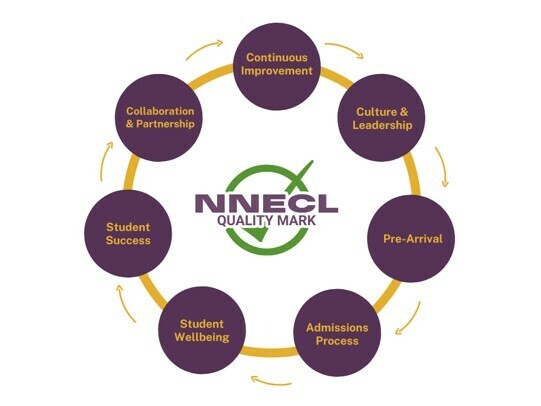
• Dedicated support team for care experienced or estranged students
• Financial help like bursaries or scholarships
• Year-round accommodation
• Wellbeing support that understands your background
• Strong EDI policies (Equality, Diversity and Inclusion)